The Real Delay in a Media Borough Sale Isn't the Inspection. It's the Paperwork Nobody Mentions.
September 24, 2026
September 24, 2026
A seller I talk with often pictures the same worst case: the buyer's inspector finds something ugly in the crawlspace, the deal wobbles, everyone loses a week haggling over a credit. That does happen. But in Media Borough, the thing that actually stalls a closing more often isn't hiding in the crawlspace. It's sitting in the borough's own code book, and most sellers don't open it until a buyer's agent asks a question they can't answer.
Media's downtown blocks are full of rowhouses, twins, and small Victorian-era singles, the kind of housing stock that gives the borough its walkable, trolley-served character. That same character comes with three things a typical suburban sale doesn't: a historic district review process, a residential parking permit system, and a much higher chance that an inspector finds pre-1950 wiring behind the walls. None of these are deal killers. All three catch sellers off guard when they show up mid-transaction instead of before the sign goes in the yard.
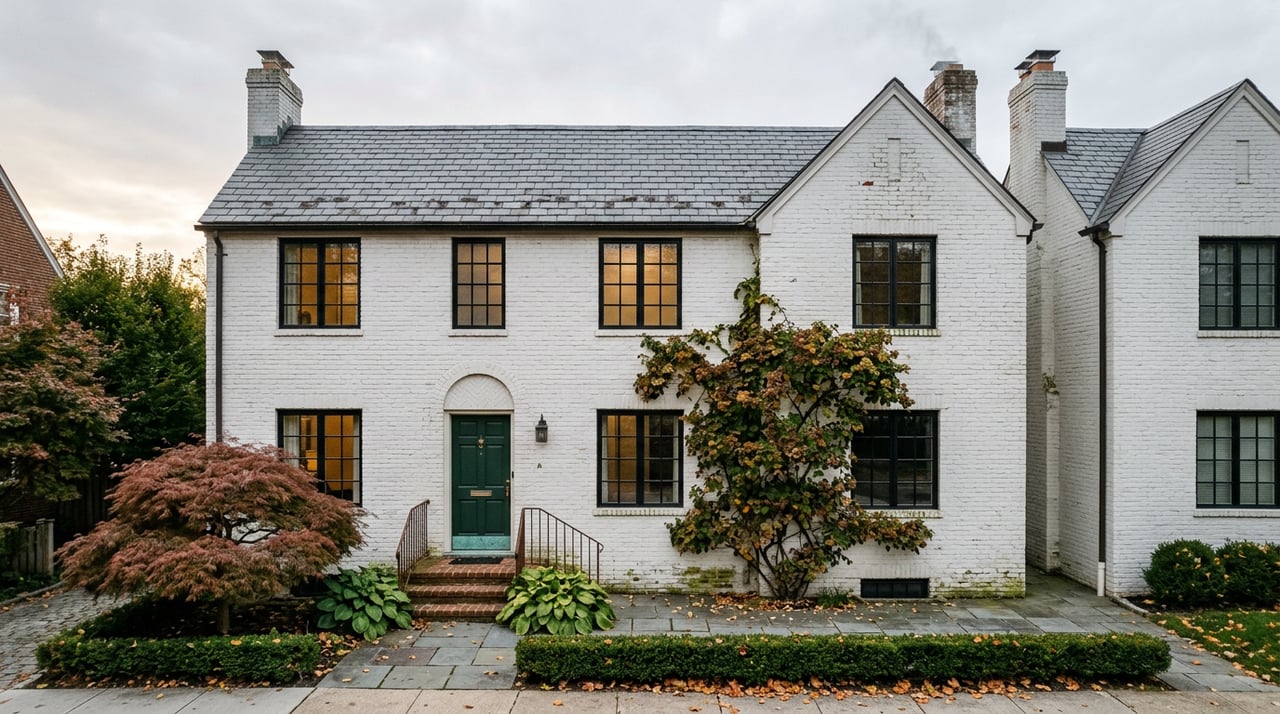
Media Borough's Chapter 183 puts a chunk of the town under design review. If a property sits inside the historic district and the seller wants to touch anything visible from the street, replace a window, swap the siding, redo a porch rail, before listing, that work technically needs a Certificate of Appropriateness first. The application goes to the Borough Building Inspector, then to the Board of Historical Architectural Review, which is required to meet with the applicant within 30 days of the request.
Here's where it trips people up. A seller getting a home ready for market thinks of a new front door or repainted trim as staging. The borough thinks of it as a permitted change to a historic structure. If that step gets skipped, it usually doesn't surface until a title search or a sharp-eyed buyer's agent starts asking who approved the work. The fix isn't complicated: know before you touch the exterior of a historic-district home whether the change needs sign-off, and build the 30-day review window into your prep timeline rather than discovering it after the paint is already dry.
The second surprise is smaller in dollars but bigger in daily annoyance, and it's the kind of thing that shapes a buyer's gut reaction during a showing. Many of Media's rowhouse and twin blocks have no off-street parking, which is why the borough runs a residential parking permit program on streets like North Olive, North Lemon, West Fourth, and West Third. Under the borough's parking ordinance, residents on a designated block need a permit to park on their own street: five dollars a year for the first two vehicles, fifteen dollars for each one after that, with free guest passes available for visitors staying up to a week.
None of that is a hardship. But a buyer touring a twin with no driveway is going to ask what happens to their car every night, and "you'll need a residential permit for this zone, here's the cost and how it works" is a much better answer delivered calmly by a seller or agent who already knows it than one improvised on the sidewalk.
The third friction point is the one that actually costs money. Media's core housing stock leans heavily toward the kind of rowhouses, twins, and converted duplexes that were built well before mid-century wiring codes existed, and homes like that carry a real chance of still having knob and tube wiring behind at least one wall. It isn't illegal to own or sell a home with it. Pennsylvania has no statewide ban on existing knob and tube. But it does show up on inspection reports constantly in older boroughs across the Delaware Valley, and it matters for two practical reasons: some insurance carriers won't write a new homeowners policy on a house with active knob and tube, and FHA or VA buyers can run into financing friction if the wiring doesn't meet the lender's standards.
The cost of fixing it depends heavily on the house:
| Home type | Typical full rewire cost |
|---|---|
| Two-story twin, finished plaster walls | Higher end, roughly $15,000–$20,000 |
| Single with a walkable attic and open basement | Lower end, roughly $8,000–$12,000 |
| Partial rewire (only active knob and tube circuits) | Often well below a full-home number |
A seller who gets an electrician's opinion before listing, rather than after an inspector flags it mid-contract, keeps the negotiation about a known number instead of an unknown one.
Pennsylvania's Real Estate Seller Disclosure Law requires sellers to tell buyers about known material defects that aren't easy to spot on a walkthrough, and it doesn't carve out an exception for houses that happen to be pretty. If a seller knows about outdated wiring, a past basement leak, a shared wall arrangement with a neighboring twin, or a structural repair, even one that's already been fixed, it needs to go on the form. Courts in Pennsylvania have consistently sided with buyers when a seller knew about a defect and left it off the disclosure, so this isn't a box to check quickly at the closing table. It's worth doing carefully, with real documentation of what was found and what was done about it, well before the house goes live.
For a Media rowhouse or twin, that disclosure conversation is naturally longer than it would be for a newer colonial in a nearby township. That's not a downside of the house. It's just the honest cost of owning something with a history, and buyers who choose these blocks generally understand that trade.
Media's market hasn't slowed down enough to make any of this optional. Over the three months ending in June 2026, homes in the borough sold at a median price of $542,000, up nearly 12 percent from the same period a year earlier, with buyers making an average of four offers per property and homes moving in around 38 days. That's a market where a well-prepared listing gets multiple lookers fast, and where a surprise Certificate of Appropriateness delay or an unexpected knob and tube finding can cost a seller real leverage in a moment when speed matters most. Getting ahead of the borough's paperwork and the house's wiring before listing turns a possible stall into a non-issue.
Does every exterior change need a Certificate of Appropriateness? If the home sits within Media's designated historic district and the change is visible from the street, siding, roofing material, windows, porch details, it generally needs review under Chapter 183 before work starts. Interior updates and routine maintenance that don't alter the exterior appearance typically fall outside that process, but it's worth confirming with the Borough Building Inspector before assuming either way.
Is knob and tube wiring illegal to sell with in Pennsylvania? No. There's no statewide ban on existing knob and tube in a home that's being sold. The practical issues are insurance and financing, not legality, so the smart move is knowing where it is and what it would cost to address before a buyer's inspector finds it first.
What if my street already has a "Residential Permit Parking Only" sign? That means the block is part of Media's permit zone system. Buyers touring the home should know the annual fee structure and how guest passes work, since it's a real part of daily life on many of these blocks rather than a formality.
If you're weighing a sale of a rowhouse, twin, or Victorian single in Media Borough and want a straight read on what your specific property will need before it hits the market, I'd rather walk you through it now than have a buyer's agent surface it for you later. Brooke Dailey has spent years helping Media sellers get ahead of exactly this kind of local detail. Let's Connect and talk through your timeline.
Stay up to date on the latest real estate trends.

Brooke believes real estate should feel personal, empowering, and expertly guided. From first conversations to final negotiations, she’s committed to protecting your goals and simplifying the process.
BROOKE DAILEY | CG REALTY LLC
116 W BALTIMORE PIKE MEDIA, PA 19063