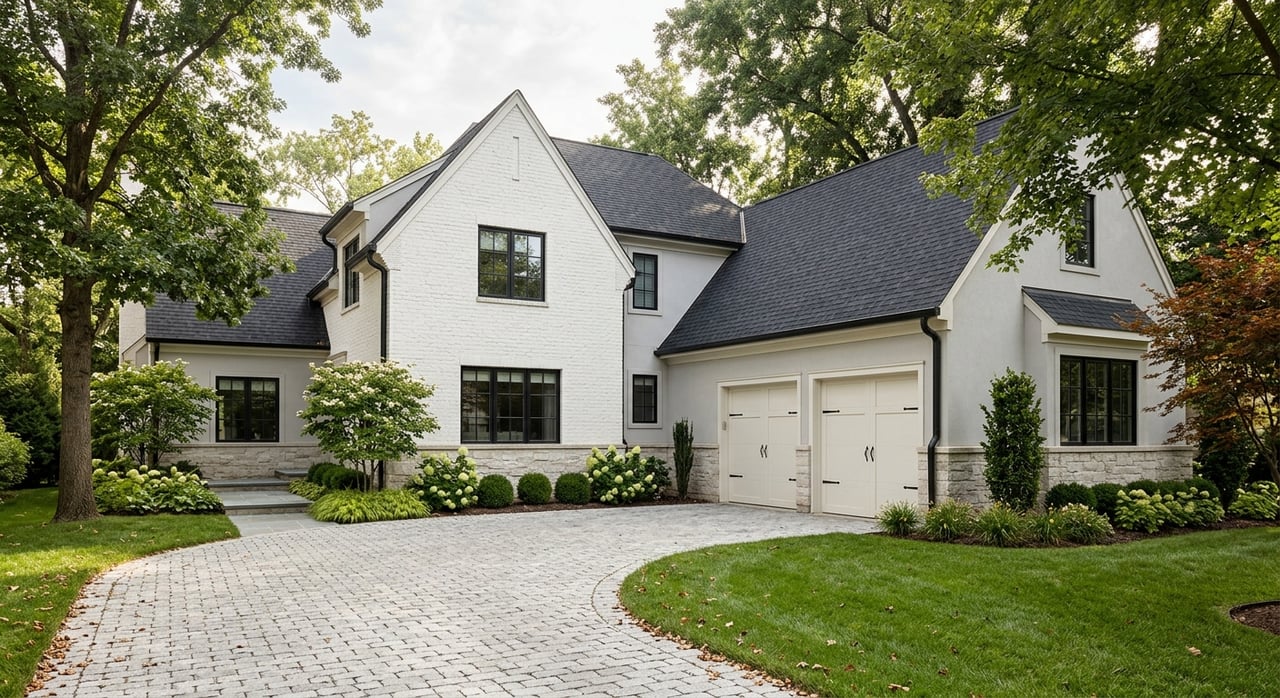
Living in Villanova PA: A Calm Main Line Lifestyle
July 16, 2026
July 16, 2026
Looking for a place that feels peaceful day to day but still has real energy built in? Villanova offers a rare mix of quiet residential living and the activity that comes with a major university nearby. If you are wondering what life here actually feels like, this guide will walk you through Villanova’s setting, pace, amenities, and housing character so you can decide whether it fits your next move. Let’s dive in.
Villanova is a compact Main Line community about 12 miles west of Center City Philadelphia. The area covers about 2.09 square miles and has 8,213 residents, which helps explain why it can feel intimate and easy to navigate.
A big part of Villanova’s identity comes from Villanova University. The university describes its campus as a 260-acre suburban campus, so even though it brings steady activity, the broader setting still feels residential rather than urban.
If you spend time in Villanova, you will notice that much of the local activity centers around the university. Villanova University reports more than 300 student organizations, 24 varsity sports, 19 on-campus eateries, and three on-campus train stations.
That adds a lively rhythm to the area without turning the whole community into a dense commercial district. You get the sense of movement, events, and school spirit, but it tends to stay localized around campus.
The university’s student life programming adds even more variety. According to Villanova, students have access to events like movie nights, Food Truck Fridays, quizzo nights, weekend trips, and concerts in Philadelphia.
For residents, that means Villanova can feel active and connected, especially during the academic year. At the same time, the energy is tied to campus life, which helps preserve a calmer feel in nearby residential pockets.
One of Villanova’s biggest draws is how balanced it feels. Even with a major university in the middle of the community, the area still reads as quiet, green, and suburban.
The housing profile supports that impression. Census data shows 1,003 housing units in Villanova, with housing that is 100 percent single-unit and 100 percent owner-occupied.
That kind of housing stock creates a very different feel from a dense rental-heavy neighborhood. If you are looking for a mostly single-family, ownership-oriented setting, Villanova stands out on the Main Line.
The current census profile also reports a median owner-occupied home value of $946,400. For buyers, that is an important signal about the market’s pricing and positioning within the region.
Villanova’s quieter side is also shaped by its natural setting. The university highlights a well-tended campus landscape and notes that it is a Tree Campus USA school and a Bee Protective Campaign signatory.
The grounds themselves add to the atmosphere. Villanova also offers recurring tree tours and a self-guided tree map featuring 35 species, which speaks to the care given to outdoor spaces.
Beyond campus, nearby parks and trails help reinforce that sense of breathing room. The Radnor Trail is a 2.4-mile paved route that runs through residential and wooded areas, making it a practical option for a walk, jog, or bike ride.
Radnor’s parks directory also places Skunk Hollow Park and Willows Park in Villanova. Willows Park Preserve spans 47.5 acres and includes water, meadow, woodland, and garden views, adding another layer of scenic outdoor access close to home.
Villanova is not defined by a dense downtown core. Instead, everyday shopping and dining often happen in nearby Main Line town centers.
That setup works well for people who want a quieter home base while still being close to established retail and restaurant areas. You are not far from options, but they are not crowding the residential feel of the neighborhood.
Nearby Ardmore offers Suburban Square, which Visit Philadelphia describes as a pedestrian-friendly outdoor shopping center and one of the Main Line’s premier retail and dining destinations. Wayne adds another option, with the Wayne Business Association highlighting a strong boutique scene and more than a dozen restaurants and bars along Restaurant Row.
For many buyers, this is part of Villanova’s appeal. You can enjoy a more tucked-away setting while still reaching shopping, dining, and day-to-day conveniences in nearby town centers.
Villanova is more transit-friendly than many suburban communities. That can be a major plus if your routine includes trips into Center City Philadelphia or other nearby destinations.
Villanova University reports that SEPTA serves the area through the Paoli/Thorndale Regional Rail line and the Norristown High Speed Line. Bus routes also run along Lancaster Avenue.
The university also notes direct rail connections toward Center City stops like 30th Street, Suburban Station, and Jefferson Station. For commuters, that level of access can make Villanova feel more connected than its calm residential setting might suggest.
Census data adds another useful detail, showing a mean travel time to work of 22 minutes. While individual commutes will vary, that figure helps round out the picture of Villanova as a suburb with practical regional access.
Every community has a certain rhythm, and Villanova’s will not be the right fit for everyone. Still, the area’s mix of campus activity, green space, transit access, and ownership-heavy housing gives it a clear identity.
Villanova may be especially appealing if you want:
Based on the housing, transit, outdoor, and campus profile, Villanova may be a natural fit for commuters, university-affiliated households, and buyers who want suburban calm without feeling cut off from activity. It offers a blend that can feel both settled and connected.
If Villanova is on your list, it helps to view it with both lifestyle and market expectations in mind. The area offers a distinctive Main Line experience, but it is also a small, ownership-focused market with higher home values.
That means inventory may feel more limited than in larger nearby communities. It also means that clarity about your goals, budget, and must-haves can make your search much more focused.
When you tour Villanova, pay attention to the balance that defines it. Notice how close you are to transit, how the campus energy feels in person, and whether the quieter residential pace matches what you want in your daily life.
If that combination speaks to you, Villanova can offer a very appealing version of suburban living. It is polished without feeling overly busy, connected without losing its calm, and active without giving up green space.
If you are thinking about buying or selling in Villanova or another Main Line community, Brooke Dailey Homes offers the kind of clear, supportive guidance that can make the process feel a lot less overwhelming. Whether you are still narrowing down neighborhoods or getting ready to make a move, having a local advocate by your side can make all the difference.
Stay up to date on the latest real estate trends.
West Chester Vibes
Brooke believes real estate should feel personal, empowering, and expertly guided. From first conversations to final negotiations, she’s committed to protecting your goals and simplifying the process.
BROOKE DAILEY | CG REALTY LLC
1616 W BALTIMORE PIKE MEDIA, PA 19063